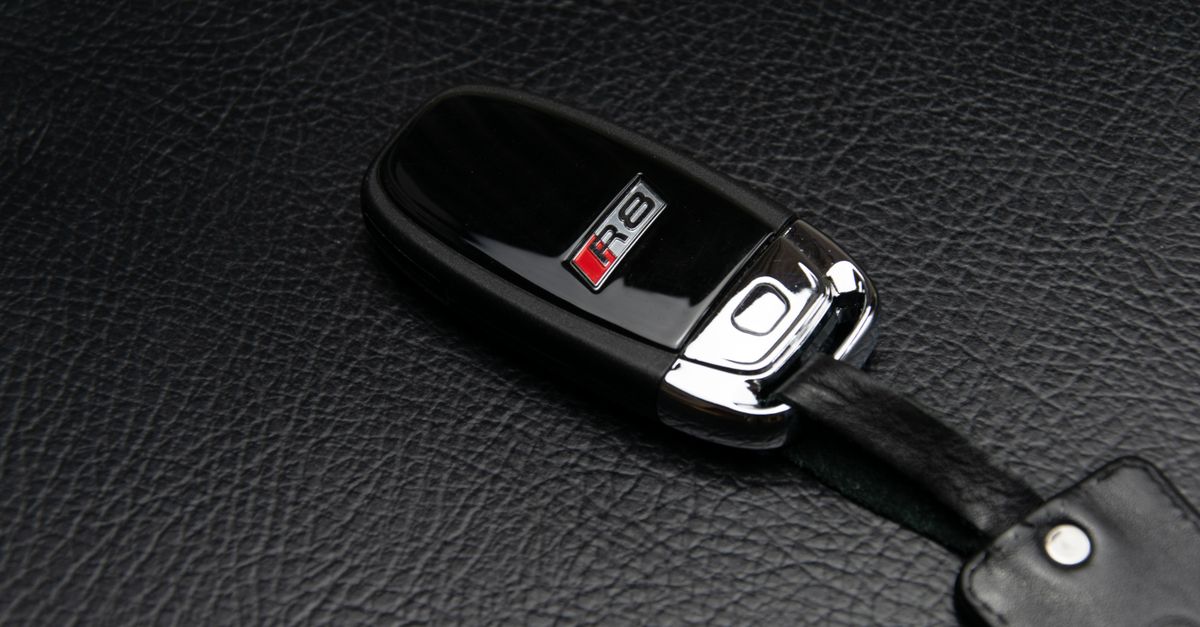
Audi Car Key Replacement: What Makes These Keys Different
Audi has evolved through several generations of key technology, and the type of key your vehicle uses determines everything about how it must be replaced. Older Audi models from the early 2000s use a basic transponder key — a metal blade with an embedded microchip that the ignition coil must recognize before the engine will start. Mid-generation models introduced the flip key or switchblade key, which houses the transponder inside a foldable blade unit. More recent Audi vehicles use proximity smart keys, sometimes called Advanced Key fobs, that allow keyless entry and push-button start without ever removing the key from your pocket or bag. Each generation requires a different cutting profile, a different transponder protocol, and a different programming procedure — there is no universal shortcut.
Because Audi uses encrypted transponder communication and, in newer models, immobilizer systems that are paired directly to the vehicle's ECU, replacement is not a matter of visiting a hardware store. A new key blank must be cut to the precise mechanical profile for your door and ignition lock cylinder, and then the chip or smart-key module must be programmed to the unique rolling code your vehicle expects. Our technicians carry the professional-grade diagnostic and programming hardware required for these procedures and are experienced working across the full Audi lineup, from classic TT coupes to current-generation Q7 and e-tron SUVs.