What Is a Mortise Lock and Why Do These Mechanisms Fail?
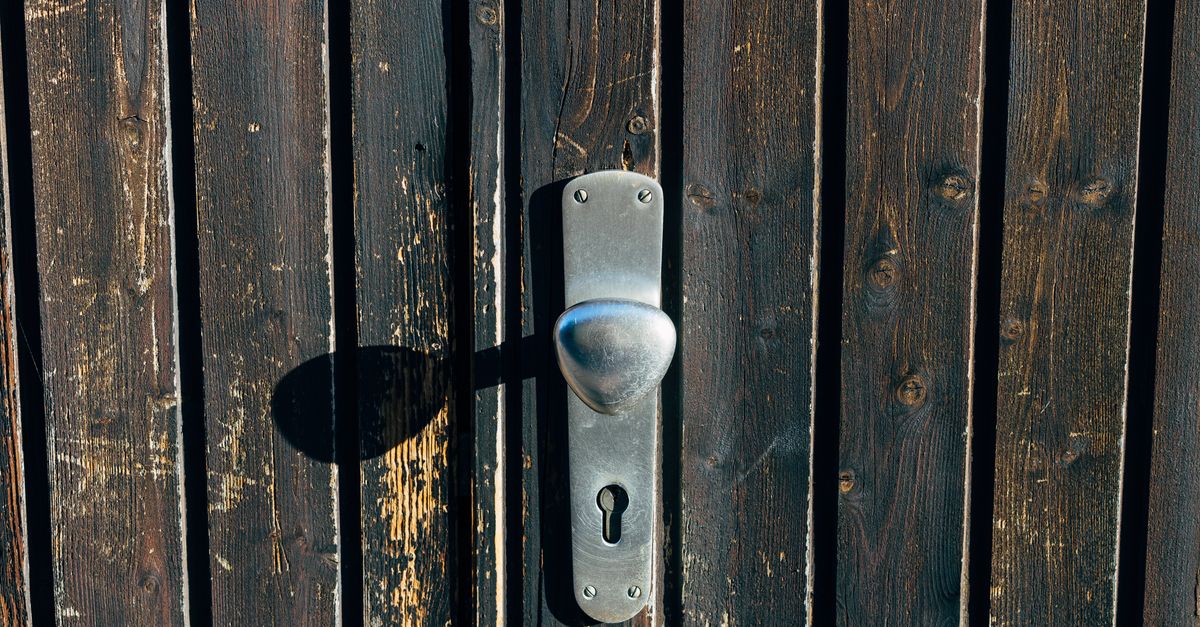
A mortise lock is a self-contained cartridge — typically containing a latch bolt, a deadbolt or auxiliary bolt, a cam, and a cylinder — that is recessed flush into the door edge rather than surface-mounted. The depth and complexity of that pocket is exactly why mortise lock sets deliver superior holding strength and why they're the default choice for exterior commercial doors, high-traffic retail entries, and premium residential front doors. The tradeoff is that the mechanism has more moving parts than a simple knobset, and those parts operate under constant mechanical stress every time a lever is depressed or a key is turned.
Seizure is the most common failure mode we see on Elk Grove Village service calls. It happens when internal springs fatigue and lose tension, when worn cam lobes no longer retract the bolt cleanly, or when years of Chicago-area humidity cause corrosion to bind the case internals. Misalignment — where the bolt or latch no longer centers on the strike plate — usually traces back to door hinge wear, seasonal wood expansion in older frames, or building settlement shifting the frame geometry. Grinding or clicking noises point to debris inside the case, a cracked or distorted mortise lock cylinder plug, or a retainer clip that has worked loose. Each failure mode requires a different fix, which is why our technicians always diagnose before they disassemble.