What Makes a High-Security Lock Installation Different from a Standard Upgrade
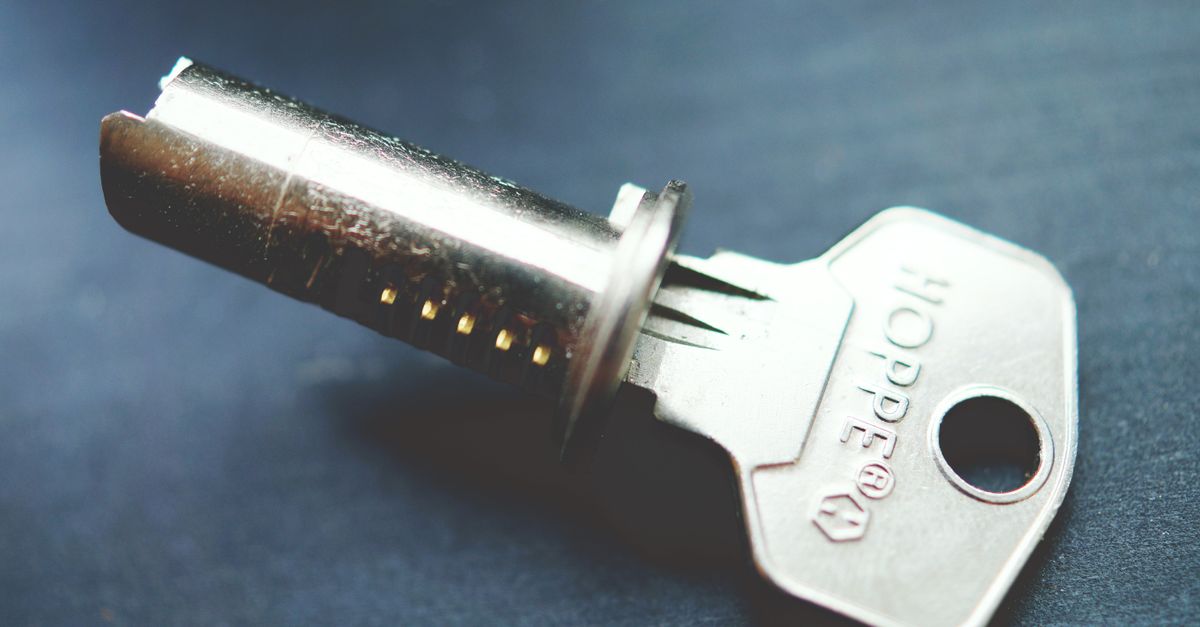
Not every lock labeled 'heavy duty' at a big-box store qualifies as high-security by the standards that actually matter in the field. Genuine high-security cylinders carry an ANSI/BHMA Grade 1 or UL 437 rating, meaning the housing and plug have been tested against picking tools, bypass wrenches, and carbide drill bits for a defined number of attack cycles. The key blanks for these cylinders are patented, so they cannot be duplicated at a kiosk — every copy must go through a controlled distribution channel, which is a meaningful layer of access management that a standard Kwikset or entry-level Schlage simply does not provide. When our technicians assess your door for a high-security lock installation, they evaluate not just the cylinder but the full door prep: the bore diameter, the strike-plate depth, the door-frame reinforcement, and whether the existing mortise pocket (if present) matches the new hardware's dimensions.
The difference is also felt in the key itself. Sidebars, rotating elements, and patented cut profiles mean the key must engage multiple independent locking mechanisms simultaneously. A pick-resistant cylinder resists single-pin manipulation because the driver pins ride on secondary locking elements rather than a simple shear line. A drill-resistant cylinder incorporates hardened steel inserts — sometimes tungsten carbide — that spin freely when a drill bit contacts them, dissipating torque rather than transferring it. These are the specific engineering choices we help you select and install, matching the hardware to your actual threat environment rather than upselling features you do not need.