Why an Access Control Mortise Lock Is the Right Foundation for Business Doors
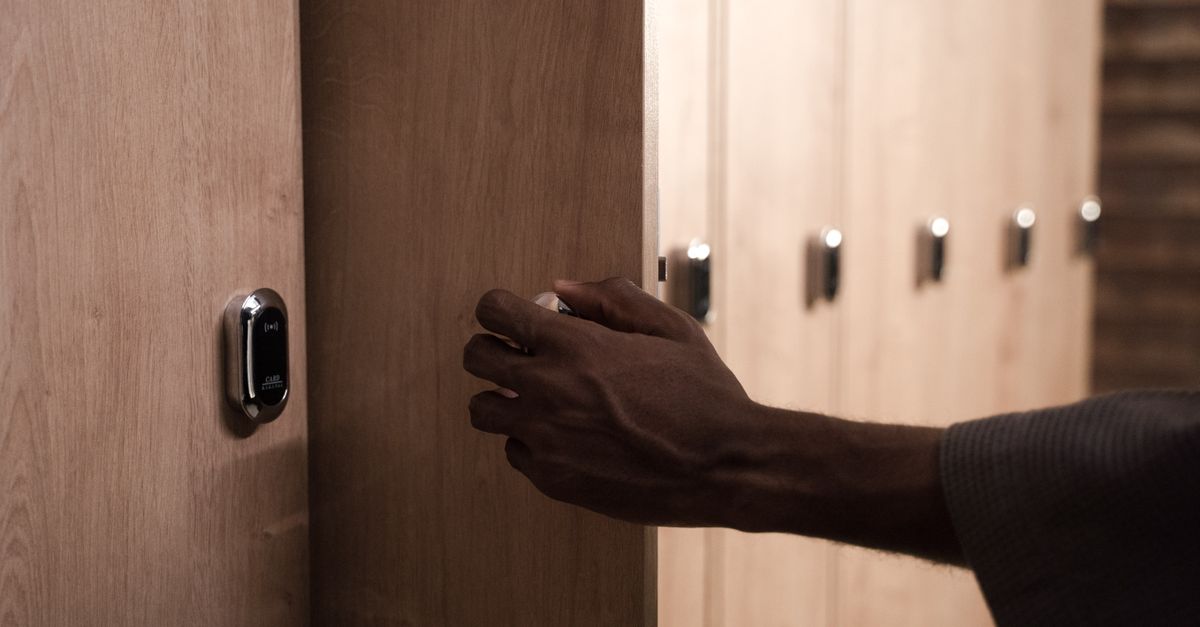
A mortise lock is installed inside a deep rectangular pocket routed into the door edge, rather than simply bored through the face like a cylindrical lock. That internal fit means the lock body is surrounded by solid wood or steel on every side, making prying and kick-in attacks dramatically harder. When you're mounting an electronic keypad or proximity fob reader on a commercial door, the mortise lock body underneath handles all the mechanical load — the latch, the deadbolt throw, and in many cases an integrated lever handle — while the electronic reader handles credential verification. The two components work together as a single, engineered system rather than as mismatched add-ons. Our technicians assess door thickness, frame condition, and door material before recommending a specific mortise lock access control pairing, because the wrong combination can create security gaps even when both products are quality hardware individually.
Elk Grove Village's commercial building stock ranges from mid-century tilt-up warehouses to newer flex-space developments, and door prep varies significantly across those building types. Our team arrives with the tooling and hardware inventory to handle both pre-cut mortise pockets and doors that need new prep work, completing most installations without damaging door finish or frame paint — damage-free work is something we take seriously on every job. We install and service access control mortise lock setups from reputable hardware lines including Schlage, so you get a product with documented grade ratings, not a commodity unit.