Elk Grove Village Locksmith Service Team
Local locksmith team
May 27, 2026 15 min read
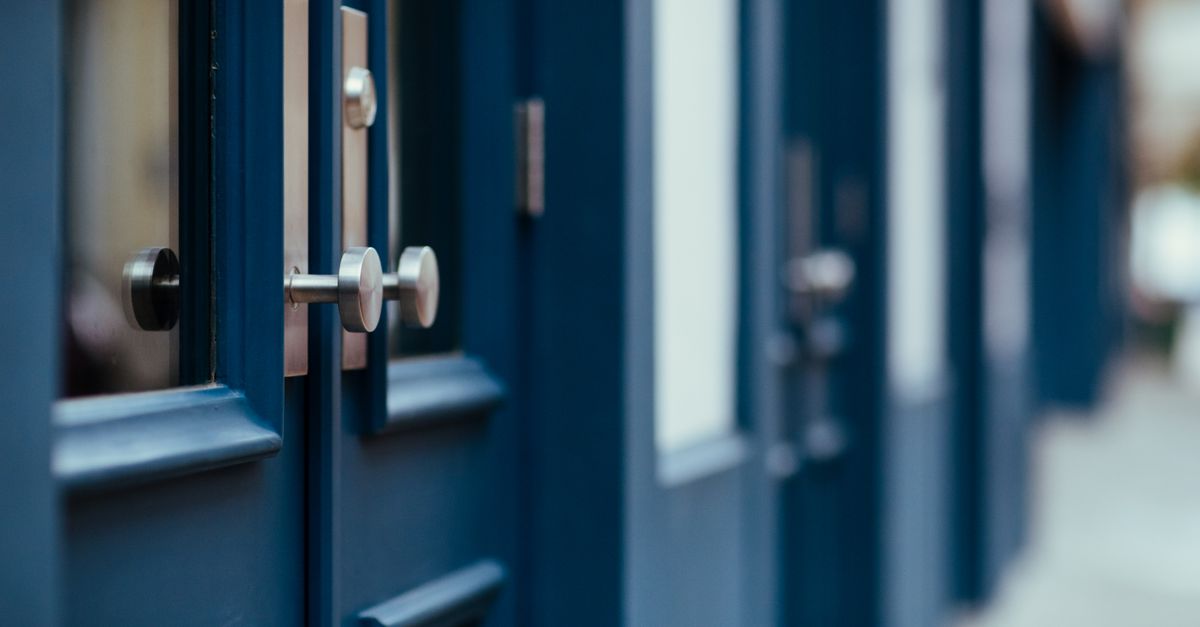
If you've ever grabbed a door knob and felt it spin uselessly, wobble like a loose tooth, or refuse to turn no matter how hard you try, you already know how quickly a failing door knob lock goes from a minor annoyance to a real problem. Whether it's the side door off your kitchen, the lock on a bedroom door, or the entry to a finished basement, a malfunctioning knob lock can leave you locked out of your own space — or, worse, leave a door that won't secure properly at night.
In Elk Grove Village, where older ranch-style homes along Biesterfield Road sit just blocks from newer builds near the Arlington Heights Road corridor, door hardware takes a beating from seasonal temperature swings, years of daily use, and the occasional rough close in a windstorm. This guide breaks down the most common reasons a door knob lock fails, what the symptoms tell you, and exactly when a professional locksmith is the right call — so you can make a smart decision and get your home back to secure.
## Why Your Door Knob Lock Fails: The Most Common Culprits
A door knob lock that spins, sticks, or feels sloppy is almost always telling you something specific. The most frequent cause is internal spring or cam failure — the small spring-loaded components inside the knob assembly that control the latch retraction simply wear out over years of use. When they go, you'll feel the knob turn without the latch moving. A close second is a misaligned strike plate: the door frame shifts slightly (especially after a wet Illinois winter expands the wood), and the latch bolt no longer lines up cleanly with the strike plate hole. You'll hear a grinding or clicking sound, and the knob will feel stiff or require a hard shove to latch. A third common issue is a frozen or corroded keyway — if your door knob with lock and key suddenly won't accept the key smoothly, moisture has likely worked its way into the cylinder and caused the pins to stick or corrode.
Loose knobs are a separate but equally urgent problem. If the knob itself wiggles or pulls away from the rose plate, the through-spindle or the set screw that holds the assembly together has stripped or backed out. This is especially common on older Kwikset or Schlage passage sets that have never had their set screws re-tightened. Left alone, a loose knob can fail completely — leaving the latch in the extended position with no way to retract it from either side. That scenario usually ends with a call to an emergency locksmith, and for good reason: forcing the door risks splitting the jamb or damaging the latch mechanism further.
## Mortise Lock vs. Knob Lock: Understanding What's Actually Inside Your Door
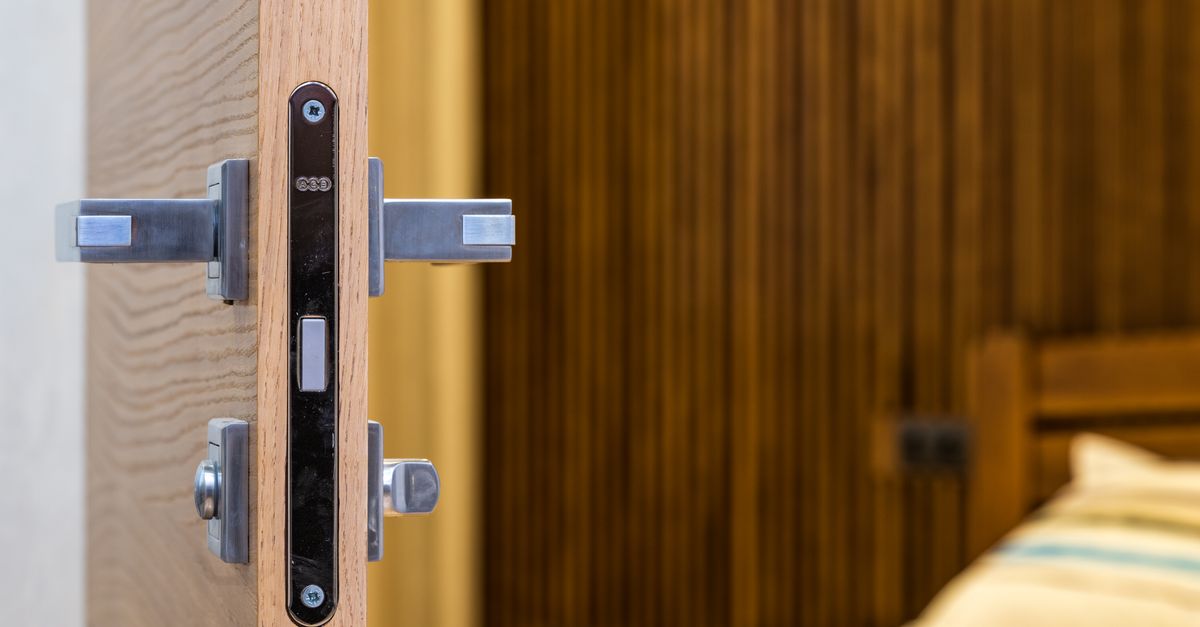
Many Elk Grove Village homeowners don't realize that not every door in their home uses the same lock type. The classic cylindrical knob lock — the kind with a round knob on each side and a spring latch — is the most common on interior and light exterior doors. But older homes, commercial-grade entry doors, and some premium exterior sets use a mortise lock instead. A mortise lock sits inside a rectangular pocket (the mortise) cut into the door edge and uses a more complex bolt-and-cam mechanism. It's a heavier, more durable design, but when a mortise lock fails, the repair is meaningfully different from a standard knob lock job — it requires a locksmith experienced specifically with mortise lock service, because the cylinder, cam, and case all interact in ways that a simple knob replacement won't address.
Why does this matter for you as a homeowner? Because misdiagnosing which lock type you have leads to buying the wrong replacement hardware or attempting a fix that makes things worse. If your exterior door has a large rectangular faceplate on the edge (rather than a small square latch plate), you likely have a mortise lock. If the deadbolt and latch are both controlled by the same handle set, that's another strong indicator. In either case — knob lock or mortise lock — our team carries the tools and parts to diagnose and repair both on-site, without a second trip.
## Stuck, Loose, or Won't Key? Matching Symptoms to Solutions
Different failure symptoms point to different fixes, and knowing which is which saves you time. A knob that turns but doesn't retract the latch almost always means a broken internal mechanism — the retractor or cam is stripped. This is not a lubrication problem; WD-40 won't fix it, and it can actually attract grit that accelerates wear. The right move is disassembly and either component replacement or full knob replacement, depending on the brand and age of the hardware. A knob that won't turn at all (even with the correct key) usually points to a seized pin tumbler cylinder. A locksmith can often re-pin or replace just the cylinder without changing the entire door knob with lock — a faster and less expensive repair path. A wobbly or rattling knob is almost always a mechanical fastening issue: the set screw, spindle nut, or through-bolt has loosened, and the fix is a re-tighten or replacement of the fastener.
One symptom worth taking seriously: a door knob with lock for bedroom use that suddenly feels different — harder to turn, slightly loose, or making a new sound — after no obvious cause. Subtle changes in lock feel sometimes indicate a forced-entry attempt, particularly if you notice fresh scratches around the keyway or on the rose plate. Before writing it off as normal wear, have a professional inspect the cylinder. Trained locksmiths can read the wear patterns inside a lock and tell the difference between normal aging and deliberate manipulation. If you have any doubt, call 847-865-9856 — we're available 24/7 and can come to you anywhere in Elk Grove Village or the surrounding area.
## When to DIY and When to Call an Emergency Locksmith
Tightening a loose set screw or applying a graphite-based lubricant to a sticky keyway are reasonable homeowner tasks — a screwdriver and a $3 tube of graphite powder handle a surprising number of minor knob lock complaints. But the line between a DIY fix and a professional repair is clearer than most people expect. If you've already tried re-tightening and the knob is still wobbly, the threads are likely stripped and the hardware needs replacement. If you've lubricated the keyway and the key still binds or won't turn, the cylinder needs professional attention — re-pinning or replacement. And if you're locked out entirely, please don't try to force the door or improvise entry. Searches for 'how to pick a door knob lock' or 'how to pick a lock door knob' flood the internet, but amateur attempts almost always damage the cylinder, the latch, or the door frame — turning a $80 service call into a $300 repair. A trained locksmith can open a locked knob without destructive methods and will verify your identity as the resident before doing so.
The same principle applies to more complex hardware. If your home has a mortise lock on a primary entry door and it's behaving erratically — sometimes latching, sometimes not — don't assume the fix is simple. Mortise lock cases have multiple moving parts (deadbolt, latch bolt, cam follower, and case springs) that can interact in ways that make the fault hard to isolate without taking the case apart. Our locksmiths carry replacement mortise cases, cylinders, and trim in the most common configurations, so we can often complete a full mortise lock repair or replacement in a single visit. If you're not sure what you have or what's wrong, that's exactly what we're here to figure out — call 847-865-9856 and describe what you're experiencing; we'll tell you honestly whether it's a visit you need.
## Our Complete Locksmith Services for Elk Grove Village Homes, Businesses, and Vehicles
Elk Grove Village Locksmith is a fully mobile, 24/7 operation serving the entire Elk Grove Village area — from the residential neighborhoods near Pavilion Park to the industrial and commercial corridors along Higgins Road. Below is a representative picture of what our team handles on a daily basis, because a failing door knob lock is rarely the only security question a homeowner or business owner has. Residential services include: door knob lock repair and replacement, mortise lock repair and replacement, deadbolt installation and re-keying, smart lock installation and troubleshooting, sliding door lock repair, window lock installation, garage side-door lock service, mailbox lock replacement, and whole-home re-keying after a move or lost key. For businesses, our commercial locksmith capabilities cover: commercial-grade mortise lock installation, panic bar and exit device repair, high-security cylinder upgrades, master key system design and implementation, access control system support, office re-keying, storefront lock repair, cabinet and file lock service, and after-hours emergency lockout response. On the automotive side — because a locksmith call is often a car lockout call — we handle: car lockout opening, transponder key cutting and programming, key fob replacement and synchronization, broken key extraction from ignition and door locks, ignition cylinder repair and replacement, and motorcycle lockout service. We also offer lock hardware sales and consultation for homeowners who want to upgrade to higher-security hardware before a problem starts.
Every service call begins the same way: we confirm what's needed, explain exactly what we'll do, and provide a firm up-front price before any work begins. The factors that shape the final quote include the type of lock or vehicle involved, the specific parts required, the time of day the call comes in, and travel distance to your location — but you'll know the number before we touch anything. No surprises, no add-ons after the fact.
## What Locks Can Locksmiths Not Open, and Other Questions Worth Asking
Homeowners often have broader questions beyond the immediate problem in front of them, and we'd rather answer them honestly here than have you wonder. Can a locksmith open any lock? In practical terms, a skilled locksmith can open the vast majority of residential and commercial locks without damage using professional tools and non-destructive techniques. There are high-security locks with patented sidebar mechanisms or anti-pick pins that require more time and specialized equipment — but 'more time' doesn't mean impossible. Truly unpickable locks don't exist in residential hardware; what varies is the skill level and equipment required to open them. We carry equipment for standard, mid-grade, and high-security cylinders.
Another common question: how much does a local locksmith charge, or what's the average locksmith charge? As noted above, pricing depends on the specific job — lock type, parts, time of day, and location all factor in. We don't publish ranges because a $15 set-screw tighten and a full mortise lock replacement are simply not the same job, and quoting a range that covers both would be meaningless. What we commit to is a clear, confirmed price before we start. If you've been wondering whether it's cheaper to go to a locksmith or a dealer for a car key — the answer is almost always the locksmith for standard transponder keys and fob programming, because dealer overhead is simply higher and turnaround is often slower. Can a locksmith program my key fob? Yes — we cut and program keys and fobs for most domestic and foreign vehicle makes on-site, without a dealership visit.
## Protecting Your Home Before the Next Failure: Practical Prevention
The best time to think about your door knob lock is before it fails, not during a lockout at 11 p.m. on a January night in Elk Grove Village when the temperature has dropped below freezing. A few habits make a real difference. First, inspect your exterior knob locks (and any mortise lock hardware) twice a year — once in spring and once in fall. Check for wobble, key-insertion resistance, and latch alignment. Second, use dry graphite lubricant on keyways annually — it's available at any hardware store and takes 30 seconds to apply. Avoid oil-based sprays, which attract dirt. Third, check that your strike plate screws are at least 3 inches long — short screws are a security weakness that a door frame can't compensate for. Fourth, if you've recently moved into a home anywhere in Elk Grove Village, re-keying is the single most cost-effective security step you can take. You have no way of knowing how many copies of the previous owner's keys are floating around the neighborhood.
If a lock is showing multiple symptoms — sticky key, wobble, and occasional latch failure — treat it as a unit that needs replacement, not repeated patchwork repairs. A knob lock that has needed three fixes in a year is telling you it's at the end of its service life. Upgrading to a higher-grade cylinder or a mortise lock at that point is a genuinely better long-term investment than another temporary repair. Our team can walk you through hardware options that match your door prep, your security goals, and your budget — just call 847-865-9856 and we'll talk it through. We're here 24 hours a day, seven days a week, for everything from a quick re-key to a full mortise lock installation.
## Elk Grove Lock and Safe: Understanding Your Local Security Options
Elk Grove Village has a genuinely mixed housing stock — mid-century ranch homes, 1980s colonials, and newer construction all exist within blocks of each other, and each era brought different lock standards and door prep sizes. That variety means there's no single 'right' lock for every door in the area. A mortise lock that's perfect for a solid-core 1970s exterior door may not fit a modern pre-hung door with a standard 2-1/8 inch bore. A smart lock that integrates beautifully on a newer build may require a retrofit kit on an older door. Part of what our local team does is match the right hardware to the specific door — not just recommend the most expensive option or the easiest install.
We're also asked regularly about lock boxes, key safes, and other 'spare key' solutions for homeowners who want a reliable backup entry method. These are worth considering, particularly for households where family members have different schedules or where a trusted neighbor may need occasional access. We carry and install key lockboxes rated for outdoor use and can advise on placement that keeps them both accessible and discreet. If you're thinking about overall home security — not just a single failing door knob lock — we're happy to do a walkthrough and give you a straightforward assessment of where your current hardware is strong and where it's worth upgrading.
Frequently asked questions
How much does a local locksmith charge for a door knob lock repair?+
The price depends on several specific factors: the type of lock involved (a standard cylindrical knob lock versus a mortise lock, for example), whether parts need to be replaced or the repair is purely labor, the time of day the service is requested, and how far our mobile unit needs to travel to your location. Rather than publishing a range that won't apply accurately to your situation, we confirm an exact up-front price before any work begins — so you know the number before we turn a wrench. Call 847-865-9856 and describe what's happening; we can often give you a strong sense of what's involved just from the conversation.
What locks can locksmiths not open?+
A skilled, professional locksmith can open the overwhelming majority of residential and commercial door knob locks, deadbolts, and mortise locks using non-destructive techniques. Some high-security locks with advanced anti-pick pins or sidebar mechanisms take more time and specialized tools, but in practical terms there is no residential lock that a trained locksmith cannot address. The real variable is the method and time required, not the outcome. If a lock genuinely cannot be opened non-destructively — which is rare — a locksmith will tell you that honestly before proceeding to a controlled destructive entry, rather than damaging your door without warning.
Can a locksmith program my key fob or cut a transponder key on-site?+
Yes. We handle key fob replacement, transponder key cutting, and fob synchronization for most domestic and foreign vehicle makes right from our mobile unit — no dealer visit required. The cost and time involved depend on the specific vehicle make, model, and year, as well as whether we're cutting and programming a new key from scratch or just reprogramming an existing fob. We confirm everything up front before starting. Call 847-865-9856 to check coverage for your specific vehicle.
Is it cheaper to go to a locksmith or a dealer for a replacement car key?+
For the vast majority of vehicle makes and key types — including standard transponder keys and many smart key fobs — calling a mobile locksmith is faster and less expensive than going to a dealership. Dealer overhead, parts markup, and scheduling delays all add to the cost and time on the dealer side. A mobile locksmith comes to you, cuts and programs on-site, and in most cases completes the job in a single visit. There are certain proprietary key systems tied to specific manufacturers where dealer programming is the only option, and in those cases we'll tell you that honestly rather than attempt a job we can't complete correctly.